

Zoom Developer Guide: Building Custom Apps for Hybrid Workspaces sets the stage for this enthralling narrative, offering readers a glimpse into a story that is rich in detail with casual formal language style and brimming with originality from the outset.
As we dive into the world of Zoom app development for hybrid workspaces, we uncover a realm where innovation meets practicality, paving the way for seamless integration and enhanced user experiences.
Introduction to Zoom Developer Guide
The Zoom Developer Guide is a comprehensive resource for developers looking to create custom apps tailored for hybrid workspaces. This guide provides detailed information, tools, and best practices to help developers leverage Zoom's platform to build innovative solutions.
Developing custom apps for hybrid workspaces offers numerous benefits, including enhanced collaboration, improved productivity, and seamless integration with existing tools and workflows. By creating custom apps, organizations can streamline communication, automate tasks, and customize the Zoom experience to meet their specific needs.
Key Sections Covered in the Guide
- Getting Started with Zoom APIs: Learn how to access Zoom's APIs and SDKs to start building custom apps.
- Building Custom Meeting Solutions: Explore how to create tailored meeting experiences, integrate with other systems, and enhance collaboration.
- Security and Compliance: Understand best practices for ensuring the security and compliance of custom apps developed for Zoom.
- Scaling and Deployment: Discover strategies for scaling custom apps and deploying them across hybrid workspaces effectively.
- Case Studies and Examples: Gain insights from real-world case studies and examples of successful custom app implementations in hybrid workspaces.
Getting Started with Zoom App Development
To begin developing custom apps for Zoom, developers need to familiarize themselves with the necessary tools and resources, as well as the prerequisites for app development.Tools and Resources
- Zoom Developer Platform: Access the Zoom Developer Platform to create and manage your custom apps. This platform provides a range of resources, including documentation, SDKs, and sample code to help you get started.
- Zoom API Documentation: Developers can refer to the Zoom API documentation to understand the capabilities and functionalities available for integration into custom apps.
- Development Environment: Set up a development environment that supports the programming languages and frameworks required for building Zoom apps.
Prerequisites for Developers
- Programming Skills: Developers should have a good understanding of programming languages such as JavaScript, Python, or Java, depending on the requirements of the custom app.
- OAuth Knowledge: Familiarity with OAuth authentication is essential for integrating Zoom functionality securely into custom apps.
- Zoom Account: Developers need to have a Zoom account to access the developer platform and API documentation.
Accessing the Zoom Developer Platform and API Documentation
- Sign Up: Register for a developer account on the Zoom Developer Platform to gain access to the necessary tools and resources for app development.
- API Documentation: Explore the comprehensive Zoom API documentation to learn about the endpoints, parameters, and authentication methods required for interacting with the Zoom platform.
Understanding Hybrid Workspaces
Hybrid workspaces refer to the combination of physical office spaces and remote work environments, where employees have the flexibility to work from both locations interchangeably. This setup allows for a more dynamic and adaptable work structure, blending the benefits of in-person collaboration with the convenience of remote work.Comparison with Traditional Work Environments
In traditional work environments, employees are typically required to work from a fixed office location on a daily basis. There is limited flexibility in terms of work hours and location, leading to a more rigid work structure. On the other hand, hybrid workspaces offer employees the freedom to choose where and when they work, promoting a better work-life balance and increased productivity.- Hybrid workspaces provide a more flexible work schedule, allowing employees to customize their work hours to suit their individual needs.
- Traditional work environments often involve long commutes and rigid office hours, which can lead to burnout and decreased job satisfaction.
- Hybrid workspaces leverage technology to facilitate seamless communication and collaboration between remote and in-office employees.
- Traditional work environments may lack the necessary tools and resources to support remote work effectively, leading to communication gaps and inefficiencies.
Challenges and Opportunities for App Developers
Developing apps for hybrid workspaces presents a unique set of challenges and opportunities for app developers. On one hand, there is a growing demand for tools that enable seamless collaboration, communication, and project management across different work environments. App developers have the opportunity to create innovative solutions that cater to the specific needs of hybrid teams.- Challenge: Ensuring data security and privacy in a hybrid work environment where employees access company resources from various locations.
- Opportunity: Developing secure and encrypted communication tools that protect sensitive information and ensure compliance with data protection regulations.
- Challenge: Integrating different software platforms and tools used by remote and in-office employees to create a cohesive work environment.
- Opportunity: Building integrations and APIs that allow for seamless data sharing and communication between various applications, enhancing productivity and collaboration.
Customizing Zoom Apps for Hybrid Workspaces
Customizing Zoom apps to align with the unique requirements of hybrid workspaces is crucial for enhancing productivity and collaboration in this new work environment. By tailoring Zoom apps to cater to the needs of hybrid teams, developers can create a seamless and efficient virtual workspace experience.
Customization Options for Developers
- Integration with Third-Party Tools: Developers can integrate Zoom apps with popular third-party tools such as project management software, CRM systems, or collaboration platforms to streamline workflows and enhance communication.
- Personalized User Interface: Customizing the user interface of Zoom apps to match the branding and visual identity of the organization can create a cohesive and professional look for hybrid workspace users.
- Automated Workflows: Implementing automation features within Zoom apps can help simplify repetitive tasks, improve efficiency, and reduce manual intervention for hybrid teams.
Enhancing Hybrid Workspace Experience
- Virtual Whiteboards: Developing custom apps that enable virtual whiteboarding capabilities can facilitate brainstorming sessions, idea sharing, and collaborative work among remote and in-person team members.
- Interactive Polling Tools: Integrating interactive polling tools within Zoom apps can engage participants during virtual meetings, gather real-time feedback, and foster active participation in hybrid workspace settings.
- Customized Reporting Dashboards: Creating custom reporting dashboards within Zoom apps can provide hybrid teams with valuable insights, analytics, and performance metrics to track progress and make data-driven decisions.
Integrating Third-Party Tools and Services
Integrating third-party tools and services with Zoom apps can enhance the functionality and user experience of hybrid workspaces. By leveraging external resources, you can streamline workflows, improve collaboration, and boost productivity.
Common Integrations for Hybrid Workspaces
- Calendar Applications: Syncing Zoom with calendar tools like Google Calendar or Outlook can simplify meeting scheduling and reminders.
- Project Management Platforms: Integrating Zoom with project management software such as Trello or Asana enables seamless communication and collaboration on tasks.
- File Sharing Services: Connecting Zoom with file sharing services like Dropbox or Google Drive allows for easy sharing of documents during meetings.
- Collaboration Tools: Integrating Zoom with collaboration platforms such as Slack or Microsoft Teams facilitates real-time communication and file sharing among team members.
Best Practices for Integration
- Ensure Compatibility: Before integrating a third-party tool, verify that it is compatible with the Zoom app and meets your organization's security standards.
- Customize Settings: Tailor the integration settings to suit your team's specific needs and preferences, such as notification preferences or access controls.
- Train Users: Provide training and resources to educate users on how to effectively utilize the integrated tools within Zoom apps for maximum efficiency.
- Maintain Security: Implement robust security measures to protect sensitive data when integrating external tools with Zoom, such as encryption and access controls.
Security and Compliance Considerations
 When developing custom apps for Zoom, it is crucial to prioritize security and compliance to protect sensitive data and ensure regulatory adherence in hybrid workspaces. Implementing robust security measures and following compliance guidelines are essential to safeguarding user information and maintaining trust.
Key Security Measures
- Encrypting Data: Utilize encryption techniques to protect data both in transit and at rest, ensuring that information is secure from unauthorized access.
- Authentication and Authorization: Implement strong user authentication methods and role-based access controls to verify user identities and control access to app functionalities.
- Secure Coding Practices: Adhere to secure coding standards to prevent common vulnerabilities such as injection attacks, cross-site scripting, and security misconfigurations.
- Regular Security Audits: Conduct frequent security assessments and audits to identify and address any potential vulnerabilities or weaknesses in the app.
Data Privacy and Compliance Guidelines
- Consent Management: Obtain explicit user consent before collecting any personal data and ensure transparent data handling practices.
- Compliance with Regulations: Familiarize yourself with relevant data protection laws such as GDPR, HIPAA, or CCPA, and ensure that your app complies with the necessary requirements.
- Data Minimization: Only collect and store data that is essential for the app's functionality, minimizing the risk of data breaches or misuse.
- Secure Communication Channels: Use secure communication protocols such as HTTPS to protect data transmission between the app and external services.
Testing and Deployment Strategies
When it comes to custom Zoom apps targeting hybrid workspaces, testing and deployment are crucial steps to ensure a smooth user experience. Let's dive into the recommended strategies for testing and the different deployment options available for developers.
Testing Strategies
- Perform thorough functionality testing to ensure all features work as intended in a hybrid workspace environment.
- Conduct integration testing to check if the custom Zoom app seamlessly integrates with other tools and services used in the workspace.
- Implement performance testing to assess how the app performs under different workloads and network conditions.
- Utilize user acceptance testing to gather feedback from end-users and make any necessary adjustments based on their experience.
Deployment Options
- Self-hosting: Developers can choose to host the custom Zoom app on their own servers for full control over deployment and maintenance.
- Zoom App Marketplace: Submitting the app to the Zoom App Marketplace allows for easy discovery by users and seamless installation.
- Cloud-based deployment: Leveraging cloud platforms like AWS or Azure for deployment can provide scalability and flexibility for the app.
Tips for Smooth Deployment
- Communicate with end-users about the upcoming deployment to manage expectations and provide any necessary training or support.
- Perform a thorough pre-deployment checklist to ensure all configurations are in place and any potential issues are addressed beforehand.
- Consider rolling out the deployment in phases to minimize disruptions and quickly address any issues that may arise.
- Monitor the app post-deployment to gather feedback and make continuous improvements based on user usage and feedback.
Epilogue
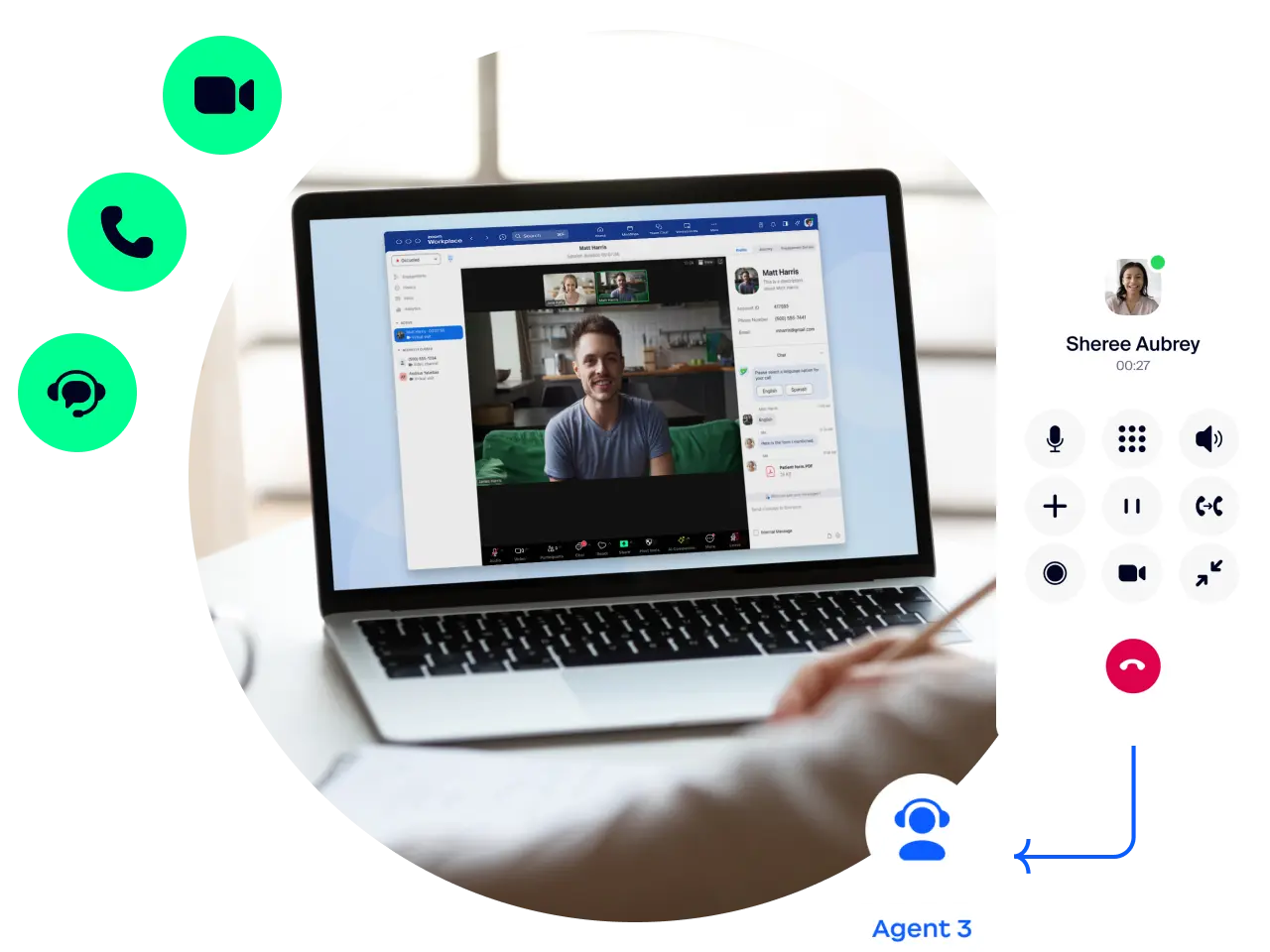
In conclusion, Zoom Developer Guide: Building Custom Apps for Hybrid Workspaces encapsulates the essence of adaptability and creativity in the ever-evolving landscape of hybrid work environments. It serves as a beacon for developers seeking to craft tailored solutions that bridge the gap between virtual and physical workspaces.
General Inquiries
What are the benefits of building custom apps for hybrid workspaces?
Custom apps offer tailored solutions that cater to the unique needs of hybrid work setups, promoting efficiency and collaboration across virtual and physical spaces.
How can developers access the Zoom Developer Platform and API documentation?
Developers can access the Zoom Developer Platform and API documentation by creating an account on the Zoom Developer website and exploring the available resources for app development.
What are some common integrations that benefit hybrid workspaces in Zoom apps?
Common integrations include project management tools, calendar applications, and collaboration platforms that streamline workflows and enhance productivity in hybrid work environments.
What security measures should developers implement in their custom Zoom apps?
Developers should prioritize end-to-end encryption, secure data storage practices, and regular security updates to ensure the protection of user information and compliance with data privacy regulations.
What testing strategies are recommended for custom Zoom apps targeting hybrid workspaces?
Testing strategies should encompass functionality, compatibility, and security testing to guarantee a seamless user experience across different devices and work environments in hybrid setups.