
As Automating Your Clienteling Strategy Without Losing the Human Touch takes center stage, this opening passage beckons readers with casual formal language style into a world crafted with good knowledge, ensuring a reading experience that is both absorbing and distinctly original.
The content of the second paragraph that provides descriptive and clear information about the topic
Introduction to Automating Clienteling
Clienteling in the context of sales and customer relationship management refers to the personalized approach of building long-term relationships with clients. It involves understanding individual customer preferences, needs, and purchase history to provide tailored recommendations and services.Maintaining a human touch in clienteling strategies is crucial as it helps to create a genuine connection with customers, leading to increased loyalty and repeat business. By adding a personal touch, such as remembering birthdays or special occasions, businesses can enhance the overall customer experience and build trust.Automation Enhancing Clienteling Processes
Automation can enhance clienteling processes by streamlining communication, tracking customer interactions, and providing insights for more personalized interactions. Here are some examples of how automation can improve clienteling strategies:- Automated reminders for follow-ups or appointments help sales representatives stay organized and ensure timely interactions with customers.
- Customer relationship management (CRM) systems can track customer preferences, purchase history, and interactions, allowing sales teams to provide personalized recommendations and offers.
- Automated email campaigns can be used to send personalized messages, promotions, and product recommendations based on customer behavior and preferences.
- Chatbots and AI-driven tools can provide instant support and information to customers, enhancing the overall customer experience.
Implementing Automation Tools
Implementing automation tools in clienteling can greatly enhance the efficiency and effectiveness of your communication with clients. These tools streamline processes, improve customer relationships, and ultimately drive sales. Let's explore the various automation tools available and how they can benefit your clienteling strategy.Customer Relationship Management (CRM) Systems
Customer Relationship Management (CRM) systems are powerful tools that help businesses manage interactions with current and potential customers. They store customer data, track interactions, and provide insights for personalized communication. Popular CRM options include Salesforce, HubSpot, and Zoho CRM.Email Marketing Platforms
Email marketing platforms like Mailchimp, Constant Contact, and Klaviyo enable businesses to automate email campaigns, segment their audience, and track engagement. These tools are essential for maintaining regular communication with clients and delivering personalized content.Chatbots and AI Assistants
Chatbots and AI assistants can provide instant support to clients, answer common questions, and gather valuable information for personalized recommendations. Tools like Drift, Intercom, and ManyChat offer chatbot solutions to enhance customer interactions.Clienteling Apps
Clienteling apps like ClientBook, Endear, and Salesfloor empower sales associates with customer data, purchase history, and communication tools on their mobile devices. These apps enable personalized recommendations, appointment scheduling, and follow-up communication.Social Media Management Tools
Social media management tools such as Hootsuite, Buffer, and Sprout Social help businesses automate social media posts, engage with followers, and track performance metrics. These tools are essential for maintaining an active presence on social platforms and connecting with clients.Personalization through Automation
Personalization is a key aspect of clienteling that helps businesses build stronger relationships with customers. By leveraging automation tools, businesses can still achieve personalization at scale without losing the human touch.Examples of Successful Personalization Strategies
- Utilizing customer data to send personalized recommendations based on past purchases or browsing history.
- Automating birthday or anniversary greetings to make customers feel valued and appreciated.
- Sending personalized follow-up emails after a purchase to gather feedback or offer related products.
Impact of Personalized Communication on Customer Relationships
Personalized communication can significantly enhance customer relationships by showing that businesses understand and care about their individual preferences and needs. This can lead to increased loyalty, higher engagement, and ultimately, more sales
Balancing Automation and Human Interaction
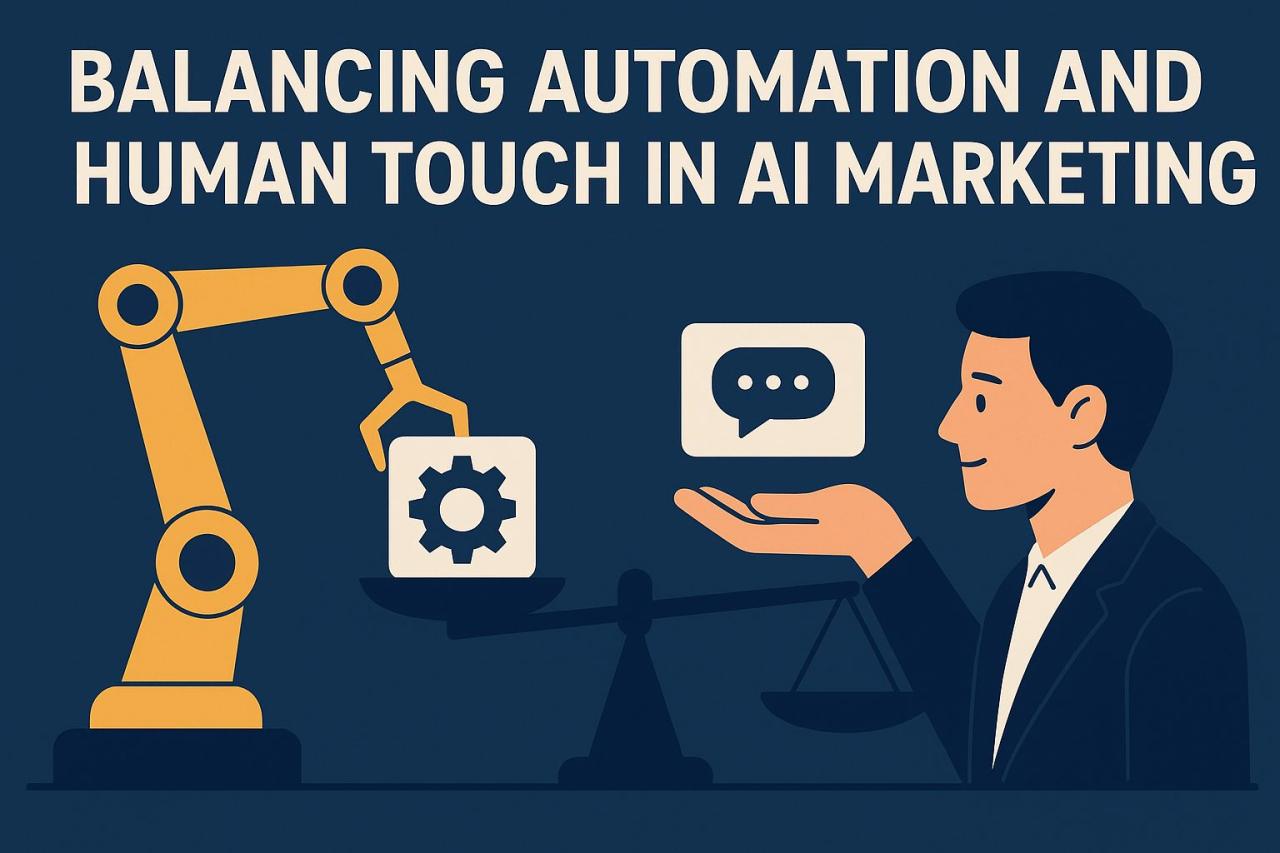
Balancing automation and human interaction is crucial in clienteling to ensure a personalized experience while also leveraging efficiency. Here are some tips on finding the right balance and scenarios where human touch is preferred over automation.When Human Interaction is Preferred
- Complex or sensitive customer inquiries that require empathy and understanding.
- High-value clients who expect a personalized touch and individualized attention.
- Situations where emotional connection and rapport building are essential for customer satisfaction.
Best Practices for Maintaining Personalization
- Utilize automation for routine tasks like follow-up emails or appointment reminders to free up time for personalized interactions.
- Segment your customer base and tailor automated messages based on preferences, behaviors, and purchase history.
- Train your team to effectively use automation tools while emphasizing the importance of human touch in client interactions.
- Collect feedback from customers to continuously improve the balance between automation and human interaction.
Data Management and Analysis
Data management plays a crucial role in automated clienteling strategies by organizing and storing customer information effectively. This ensures that the data collected from various touchpoints is accurate, up-to-date, and easily accessible to drive personalized interactions with clients.Utilizing Data Analysis for Customer Segmentation and Targeting
Data analysis can greatly improve customer segmentation and targeting by identifying patterns and trends within the customer data. By analyzing demographics, purchase history, browsing behavior, and other relevant data points, businesses can create detailed customer profiles and segment their audience based on specific characteristics. This allows for targeted marketing campaigns, tailored product recommendations, and personalized communication that resonates with each customer segment.- By analyzing customer data, businesses can identify high-value customers and prioritize personalized interactions with them to drive loyalty and repeat purchases.
- Data analysis can also help businesses understand customer preferences and purchase behaviors, enabling them to offer relevant products or services to each segment.
- Segmenting customers based on their behavior and preferences allows businesses to create targeted marketing strategies that are more likely to convert and drive revenue.
Leveraging Data Insights to Enhance Client Relationships
Data insights obtained through analysis can be used to enhance client relationships by providing a deeper understanding of each customer's needs and preferences. By leveraging these insights, businesses can deliver personalized experiences, offer relevant recommendations, and anticipate customer needs proactively.- For example, analyzing customer data may reveal that a particular segment prefers online shopping over in-store visits. By tailoring communication channels and offers accordingly, businesses can meet these customers where they are most comfortable, enhancing their overall experience.
- Furthermore, data analysis can help businesses identify opportunities to upsell or cross-sell products by understanding customer purchase patterns and preferences.
- By utilizing data insights to personalize interactions and offerings, businesses can build stronger, long-lasting relationships with their clients, leading to increased loyalty and advocacy.
Final Thoughts
The content of the concluding paragraph that provides a summary and last thoughts in an engaging manner
FAQ Summary
What are some common automation tools used in clienteling strategies?
Common automation tools include CRM software, email marketing platforms, and customer data management systems.
How can automated systems help personalize client interactions?
Automated systems can use customer data to tailor communication, recommend products, and provide personalized offers.
What are some best practices for balancing automation and human interaction in clienteling?
It's important to personalize automated messages, use automation for repetitive tasks, and always offer a human touch for complex inquiries.